Lead a vivid life that does good

Category: lead vividly (Page 4 of 18)

The worlds most powerful question

If you're saying yes to this, what are you saying no to?As arrogant as it sounds, if you ask me for help, I’ll most likely say No. I often don’t even give a reason it’s just, No.

But it’s a great cause… No.

You’re the only one who can help… (the only one, really?) … No.

Last time you helped … I did.  Sorry, No.

Over the years here is a question I constantly forget to ask, which is possibly the world’s most powerful personal, professional and strategic question.

If I say Yes to this, what am I saying no to?

From strategy and goals at one extreme, to temptation and love at the other, it’s a question that helps you pause and consider the consequence of a Yes or No.

No to this … so I can stay true to what’s important.

Yes to this … knowing full well I won’t have time for that other thing.

I love action. I love being involved. I love personal growth. I love leading. I love the organisations we’re building. I love the people I work with. I love my family.

I need to say ‘Yes’ to these things, which means ‘No’ to a lot of cool and exciting things that stop me being the leader I’m created to be.

So my question for you is …

If you’re saying yes to this, what are you saying no to?


[Footnote] In case this post stops you asking me. I also say ‘Yes’ often.

When was the last time you did something for the first time?

When was the last time you did something newThe other week I tried riding a Segway/Hover Board for the first time. It didn’t go well; I lost balance, crashed, then gave up after one attempt fearing injury and a bruising to my ego. Not surprisingly my son with his young plastic mind got it almost straight away.
Doing something for the first time is healthy for your mind. It causes the brain to learn and adapt to new knowledge.

Doing something for the first time is risky. You might get hurt, emotionally or relationally or even physically. Often you won’t enjoy it the first time, because it’s hard to learn or do something new.

That shouldn’t stop you trying.

We should make doing something for the first time a goal for each week.

It could be the first time you do something adventurous like Wake Boarding. The first time you read a new author. The first time you have lunch with your neighbour. The first time we walk somewhere we normally drive. The first time you learn a new skill. The first time you watch a TED video, or the 100th time but the first time you watch one that doesn’t appeal to you.

So many ways to do something for the first time.

What’s really stopping you?

The story that shapes your life.

The Story you tell yourselfIn my final years of high school I was labelled. I was average (to below average). I lacked discipline. I needed to work harder. It would have been easy for me to accept that story and have it define my life.
What your schools, friends, colleagues and even family say about you is far less important than it seems.

Far more important is the story you tell yourself.

You get to choose the story that shapes your life.

No one else.

Fortunately, the person I am today is dramatically different to the person I was 20 years ago.

Over the years I’ve learnt that its not the things I am told that hold me back. It is almost entirely the things I tell myself.

And to be honest, the stories we tell ourselves are a lot harder to change than we think.

BUT (I use this word intentionally), they can be changed.

That should give you great hope for the future.

Does fear steal freedom?

Fear takes freedomLast week I was out running with Jay tagging along on his bike. As I ran, a seagull became increasingly disturbed with my presence and finally started dive bombing me. We sought shelter under some trees and, once the bird was over it, we carried on.
It is fair to say Jay was freaked out by the bird. He was afraid or fearful.

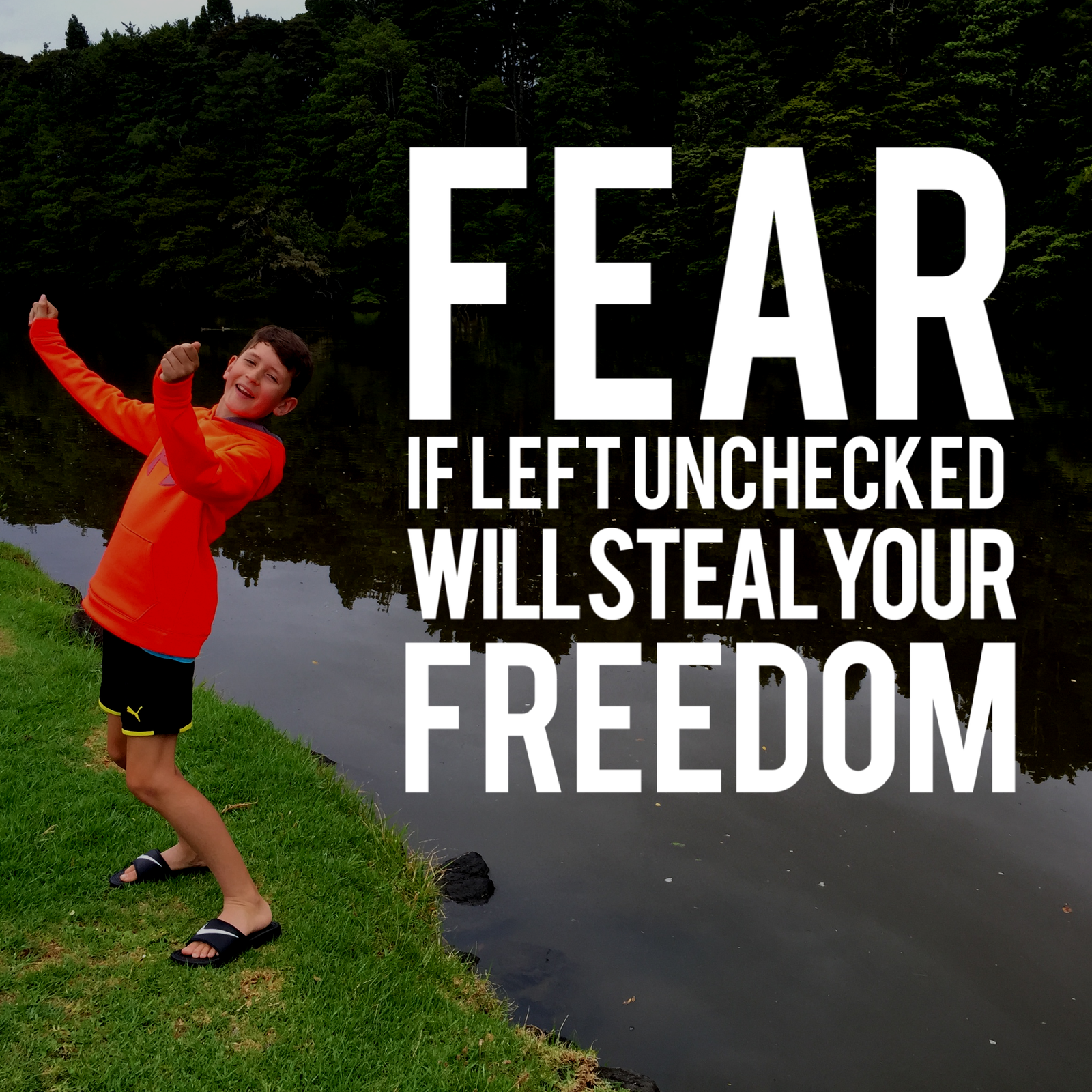
Like all fear if it was left unchecked, it would steal his freedom. If he allowed himself to become afraid of all seagulls or even all birds then he could avoid beaches or places where there are a lot of birds. When that happens freedom is lost.

Ultimately that’s what Terrorism does. Makes us fear and give away freedom by avoiding travel or amazing experiences.

So does a fear of failure.

Or a fear of meeting new people.

Or even a fear of asking ‘dumb’ questions.

Fear is the opposite of freedom.

Next time your stomach churns a little, your heart races and fear starts to set in. Stop and check that fear … is it something you should really be afraid of?

Or is it a call to step out.

To be bold.

Is it a call to freedom?

My 1000 day habit of taking photos.

1000th Photo of the day
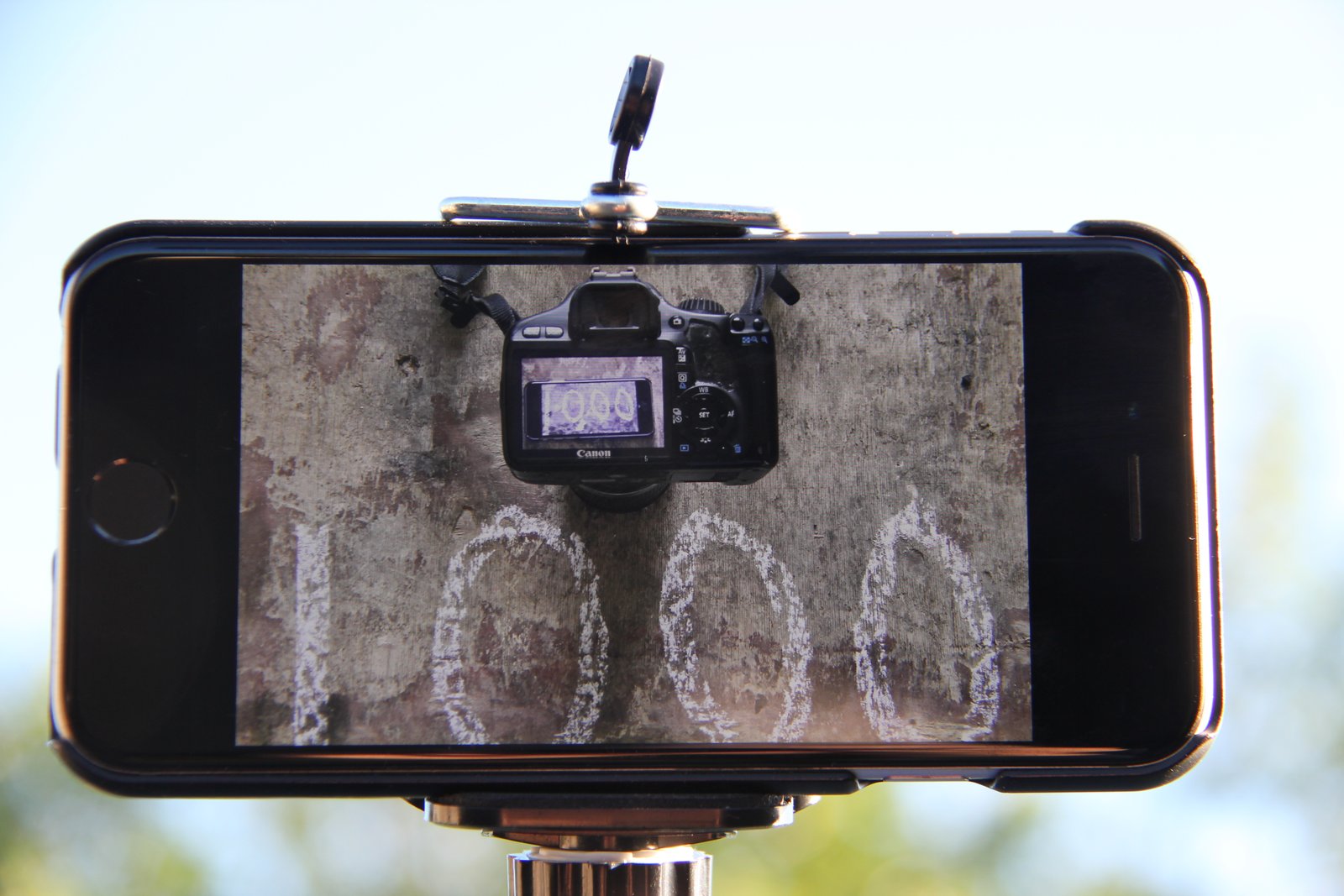
Today, I have taken my 1000th photo of the day in a row. It all started on 25th April 2013, having successfully completing one 365 project in 2009/10 and failing one in 2012, I decided I would give another year of photo of the day a go.

1000 days later, I’m still at it.

Some days choosing a photo means selecting from 100s of photos. Often it meant selecting from one. A couple of days I didn’t miss by sheer luck. I have one photo of the carpet at work that I accidentally took, and another is of Damian’s business card, which I took when I was demonstrating an app. On more than one occasion I got out of bed to take a photo of an inanimate object at home.

I haven’t personally taken every photo, but I was present at every one. Every photo hasn’t been taken on my camera. And on one occasion I had to get emailed a photo of a whiteboard image I asked someone to take in a meeting (riveting).

But I have 1000 photos.

And more importantly because it is my daily habit, I get to set the rules. And my rules from the outset were very loose. Any camera, any photographer so long as I was present, I wasn’t going to post to Facebook or social media each day, so no obligation to anyone else. I made it as easy as possible and as a result, it was tenfold easier than the first time round.

I would encourage everyone to take a photo a day for a year.

I love being able to look back on 1000 days and have an image for each one. Apart from these images I barely remember what I did 2 weeks ago.

I also love the habit.

Start anytime. Set a goal of 50 days. Tell no one. Just enjoy it.

So now that I have hit 1000 days, the big question I’ve been asked is “will I stop?

That’s actually a harder question than it seems…

Right now I’m on holiday, taking a photo a day is easy.

3 x 365 is just around the corner.

So is 4 x 365.

And 5.

I will stop eventually. But I now have an automatic habit of 1000 days. To stop, will require breaking the habit, and habit making or breaking takes a lot of energy and hard work.

‘Kinstugi’ the art of turning Brokenness into Beauty.

Kinstugi Brokenness‘Kinstugi’ is the Japanese word that describes the art of repairing broken ceramics with gold.
This art form is wonderful in the way it takes something that is broken, destined to be rubbish.

And restores it.

With gold !

Once repaired, it is considered more beautiful for having been broken.

Often brokenness from our past are considered ugly scars, that we need to hide, and never speak of again.

Wouldn’t it be cool if we took the art of Kinstugi and applied the thinking to our lives.

What if we understood that the times we feel smashed and broken are gold in the making?

What if our past brokenness was seen as gold lines that speak boldly of our journey and healing?

What if that was Jesus intention, to take our brokenness and use it to make us more beautiful?

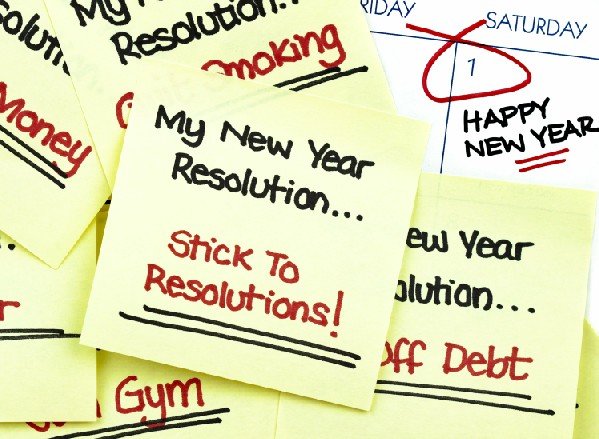
Re-solving the New Years Resolution problem.

Happy New Year!

By now a few of you are 5 days into your New Years Resolution. While others, like me, are yet to set some as we come back from our summer holidays.

Wherever you are on your resolution cycle here’s a thought …

resolve - new years resolutionResolution comes from Resolve.

Resolve means to have a determination to take a course of action. Like going to the gym, or learning french, or blogging.

Resolve comes from two words ‘re-‘, meaning to do again and again. And ‘solve‘, meaning to find a solution to a problem.

And so a big part of having resolve is to know what problem you are trying to solve. The goal of going to the gym is generally not going to the gym. Rather its Losing weight, getting fit or having rock hard abs. Knowing what you are trying to solve is the key to the story.

Once you have the story, and the power for self-discipline is in the story. Use the story to ‘re-‘mind yourself almost daily so that you have the ‘re-‘solve, the determination to actually head to the gym.

Or learn.

Or blog.

Self discipline is hard. I believe for me personally it becomes almost impossible without ‘re-‘solve, without the story.

So when you start to struggle to meet your goal, and you will, don’t forget to remind yourself of the story of who you are trying to become, and remember …

You can and will achieve it!

Take care of your brain

Take care of your brain“Yes I’ve put that in my ‘stuff up’ folder” was the reply as we discussed a small error that one of my team had just made. Now the error the person had made was on a task they had never done before, (ever!) and hadn’t been trained for, but they labelled it a stuff up.
Immediately I replied you shouldn’t be calling it a ‘stuff up folder’. A ‘learning’s folder’ maybe or a ‘helpful notes’ folder, but when you use the term ‘stuff up’ you tell your brain that you failed.

We do this often as human beings. Use destructive language on ourselves. By tagging it as a ‘stuff up’ we run the risk of telling ourselves a story of failure and if that goes too far, we become scared of risk and trying new things.

There are of course many forms of ‘stuff ups’

I always do that wrong…

I’m useless at …

I could never …

Sometimes they are really valid.

But often they are phrases we need to single out for what really they are, and intentionally replace with positive statements. And by doing so, we take better care of our brain, and free ourselves up to learn more.

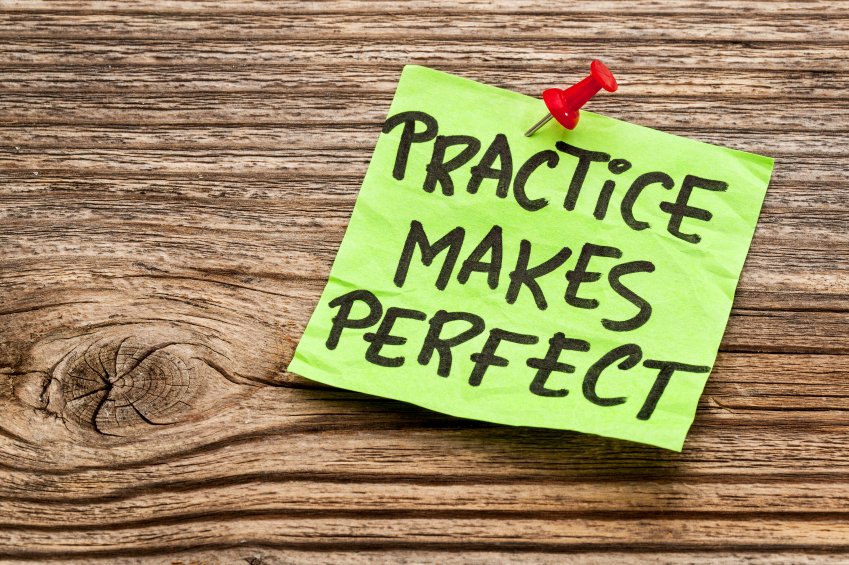
The downside of ‘Practice makes you perfect’

practice makes you not badI’m sure you have heard the phrase “practice makes perfect” many times in your life. You may have even used it on your children or other people you know.

Indeed if you want to get as near as possible to perfect in something, practice is the key. Usually at least 10,000 hours of it.

But before practice makes perfect is … practice makes you great.

Before that … practice makes you very good.

Before that … practice makes you good.

Before that … practice makes you not bad.

Not bad, it turns out, is significantly better than almost everyone else. And ‘not bad’ takes a whole lot less practice than what is needed to be perfect. More importantly ‘not bad’ can often be enough to get you through.

Sometimes our desire to be perfect is the very thing that stops us starting in the first place.

‘Practice makes you not bad’ still takes practice and a decision to start. It’s just the goal is different and the pressure is off.

It may be guitar. Or a language. Or sport. Or maths. Or computers. Or even work. Being not bad takes far less than we expect.

The challenge for me is to stop trying to be a perfectionist all the time, and to be happy with not bad. Because when I’m happy with not bad, it actually makes practice easier and more enjoyable.

Maybe that’s the case with you as well.

And for your kids.

Smart people make things simple.

For many people, one of the biggest curses of knowledge is that we tend to over complicate things.

Case in point, I have been doing a lot of reading about Lean Manufacture and its application into the service industry. One book I slaved through this week explained Waste in a complex way that cumulated in the formula shown in this picture (for the record I have no idea what this actually means.)

LEAN Waste Forumla

And then, I read a simple explanation in a completely different book. Waste is non-valued added time. I.e. Doing things that don’t add value to your customers, that’s waste.

The goal of both books is to make Lean Service understandable and applicable, and yet one failed miserably.

The goal of leading people is not to show how much knowledge we have or make us feel smart. The goal is to lead our people to do great work, by keeping things as simple as possible.

The simpler we make that, the better.

« Older posts Newer posts »