People Matter ∴ Do Good

Lead a vivid life that does good

Page 12 of 43

Nip ‘But’ in the butt and replace it with…

BUT - HT amt-group.comI was chatting with a guy recently who was asking to be involved in some work I do. As we discussed what we were doing he didn’t seem to agree with my approach as he used the word ‘BUT’ in every other sentence.

I agree, but…

Yes, but…

That’s good, but…

‘But’ gets used just before you contradict or contrast the previous statement. ‘But’ completely disregards their point of view and even experience.

We need to nip ‘BUT’ in the butt, and replace it with ‘AND’

‘And’ builds, it takes the experiences and knowledge of the other person and adds to it.

‘And’, acknowledges what you are saying is cool and let me contribute more.

‘And’, says I respect you.

When you start noticing how often you say ‘but’ on topics you have strong opinions on, it will blow your mind. Changing any habit is hard and resetting language habits is no exception. When you catch ‘but’ being used, correct yourself, use ‘and’ then see where it leads the conversation.

‘And’ means you will contribute more AND you might even learn something along the way.

When you lend, should you expect nothing in return?

Books - Learning to doI have small simple systems for everything including tracking who I have loaned books to.

A couple of days ago I looked at who was on the ‘naughty list’ of people who haven’t returned my books. Some of these people have great books and they have had them for years. As I looked at the list I mused how often I never get books back, but I left the list unchanged.

This morning I read “But love your enemies, do what is good, and lend, expecting nothing in return”. I realised I should expect “nothing in return” and holding a long-term list of books actually meant each time I reviewed the list; I subconsciously put a negative mark against their name.

I culled the list.

So if you have books of mine … consider them a gift.

Expecting nothing in return is not just about books, or that $10 you lent.

Expecting nothing in return is about being generous and gracious and doing good.

And for us, expecting nothing in return means you free yourself from the mental and emotional energy needed to hold on to something so small.

What are you expecting in return from someone?

Isn’t it time you just let it go.

If you could relive this week, what would you do differently?

This one simple question could radically change your upcoming week.

If you could relive this week, what would you do differently?
Calendar
At work.

Or at home.

Mentally.

Physically.

Spiritually.

Financially.

What would you do differently?

Now note down one, or two, or three things and plan to do them in the week ahead.

I stumbled across a form of this question recently and I have added it to my GTD weekly review. It has helped me see gaps I wouldn’t have otherwise seen, and put things in place to fix next week.

So STOP right now. Today. This moment. Answer the question, decide what to do differently.

Then repeat next week.

Why choosing what to hate is so important

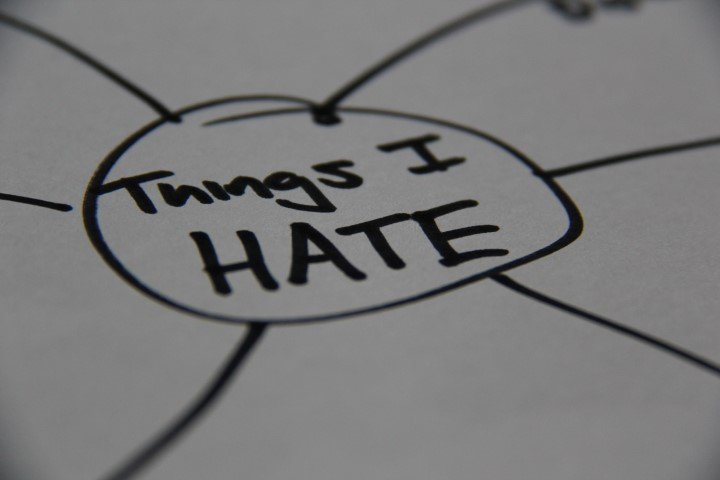
Things I hate pictureYesterday I was writing a note to some staff whose pay we were correcting for the second time. In the note I wrote “We hate getting your pay wrong”. Hate is a strong word, but we really do. We know people rely on us for their weekly income and few things bug me more than to stuff that up. As I wrote the words “we hate” I was reminded that hating the right things can be really important.

Hate is a dangerous and yet powerful word.

It’s outright dangerous to hate yourself. Or hate a person. Or hate good. Hating the wrong things will focus you on the negative and drain the life out of you. To hate something, either good or bad, is the extreme opposite of loving it. What you hate, says a lot about your character.

“I hate …” can be powerful and strong words and here are 3 examples.

“I hate being late”
A person who hates being late is different to a person who “try” to be on time. Because she hates it, you can bet that they will do everything they can to be on time. Her hatred for being late says heaps about the person’s character. And if they are late, you will see that they are gutted.

“I hate injustice”
There are a lot of people in the world, who see injustice and dislike it. A few even dislike it a lot. I have not met many people who hate injustice, because to hate it means they are compelled to do something about it. To hate positively changes a person from apathy to action.

“I hate dishonesty”
At Agoge one of our values is integrity, which means absolute impeccable honesty. If I had to choose between a guy who hates dishonesty and one that tries to be honest, I would choose the guy who hates it. If he hates dishonesty it drives him to be honest and demand honesty. It means he cares about honesty and that is powerful.

What you and I hate says more about us than we realise. It speaks of what we value, what we care about. And choosing the right things to hate, and letting go of the wrong things, will radically change how you live.

I think sometimes we need to make a decision to hate something, not merely dislike it. It’s almost as though we need to build a hatred for it and by doing so that strong hatred will drive the actions.

I would love to be able to say that “I hate injustice” but as I wrote this post, I realise I just dislike it. It’s something I need to work on.

Maybe then I will take more action towards injustice when I see it.

as the winds of change blow do you lean in and fight, or harness the change and sail off on an adventure

Change is constantly upon us, and the winds of change are always blowing in our lives.

So often we lean in against the change. Fight it. And burn a heap of energy trying to get back to where we came from.

Usually, in the end, the change forces us there anyway, and we arrive there beaten and bruised and worn out.

When we fight change hard, we actually miss the opportunity to share in the adventure and journey of the new direction.

Next time change is upon you, you have a choice:

Lean in and fight,

or

go with it and head off on the adventure!

What’s the most important phrase for making things happen?

Running with Jay over Tower BridgeSo often our choice of words lets us down. We use strange phrases to express some action we may do in the future.

I think … I’ll start exercising.

I should … apologise.

I need … to lose weight.

I want … to read more.

When you hear someone (or even yourself) use ‘think’, ‘should’, ‘need’, ‘want’ maybe you could gently ask, “When are you going to?”

I’m going to … go for a run with my son.

I’m going to … track kilojoules to lose weight.

I’m going to …

I’m going to, means I’m serious. I’m going to, means I’ve made a decision, and while I may not make it everyday, I’m on the right track.

We all know the words we choose are important. One of the most important things we can do, is question ourselves when we use the words like ‘should’, ‘think’, ‘want’ and ‘need’.

Are we just trying to make ourselves feel like something might happen sometime in the future, or is it that …

I’m going to … !

Why choosing to be gracious is so important

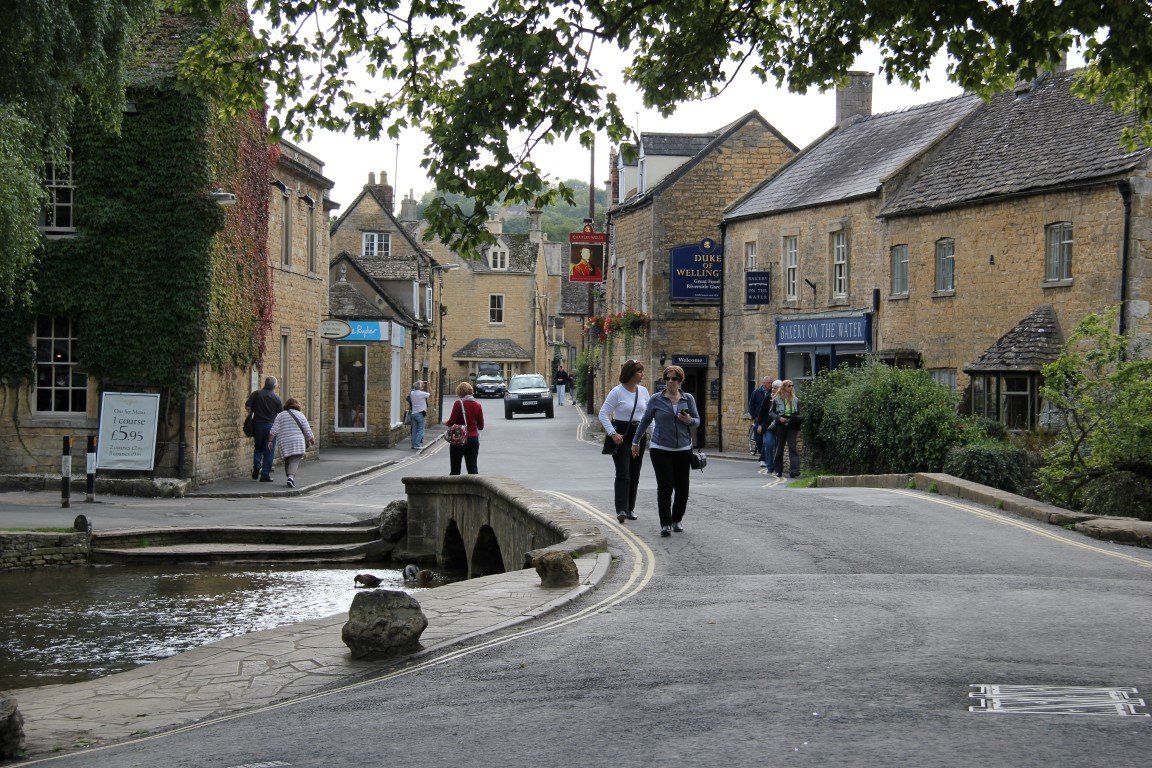
BurtonOnTheRiverThe enemy stood on the other side of the reception desk, or at least that’s is how the man next to us behaved as he ranted about some problem or another. We too had a problem, the room we had just checked into had not been cleaned properly. We could tell it hadn’t been cleaned as the toilet was full of, shall we say, number 2’s. In fact the toilet appeared almost blocked.

As I stood about to engage with the receptionist, with my daughter at my side, I knew I had a choice. I could choose to treat the receptionist as my enemy, as the causer of the problem.

I could rant.

And rave.

And demand.

Or …

I could be gracious.

I could smile, speak warmly, explain the problem without blame. I could be eager for a solution, but then be happy with whatever outcome, knowing in the scheme of things, it is nothing.

I choose to be gracious, and while the other guy continued to rant and alienate the other receptionist, we were shown to a new room by housekeeping.

On one of the long flights to London, I realised that I had a choice. I could choose to be your typical demanding, self focused tourist, or I could be gracious. Waiting, smiling, generous, and letting others go first.

I chose to be gracious. I made a choice long before speaking to that receptionist, which made talking to the receptionist, warm and enjoyable, for both of us.

By choosing to be gracious our world changes, and small things stay just as they are, small.

I was reminded of that the other day as I lacked grace.

Business is the elongated shadow of one man

It’s funny how shadows can be good and bad. A person standing in the right spot to shield the sun from our eyes, is a good shadow. Yet the clouds maneuvering themselves in front of the sun on a bitter winters day, creates cold and dark shadows.

As a leader I know I cast good and bad shadows.

As a leader, I have made some dreadful decisions that have caused the company and people significant hardship. In these times the shadow I cast has been lousy.

As a leader, there are even times I manage to cast a good, positive, warm shadow. By learning to care more. Or execute better. Or empower my team. When I do this I see the culture ripple down throughout the organisation in a beautiful way. I think Robert’s phrase says it all and I’m reminded again this week about the shadow I cast.

Still a long elongated way to go … but a work in progress.

As a leader what shadow are you casting?

Why I make Caring a task

Team Agoge 2013At Agoge one of our essential values is “be caring”. As the guy at the top I see it as a core responsibility to cast a shadow of caring across the entire organisation. One of the ways I do this is I aim to touch base with our core team in the company at least every month or so.

Often I fail, because aiming to touch base is different to actually calling. For example recently, when I rang Brendon, we pretended like we hadn’t talked in years, when in fact we hadn’t spoken in a month or so.

After Brendon’s call, I knew that I had to once again make caring a task. I changed how it appeared in my weekly review, and I plan to check in on a couple of people a week.

To some, making caring a task feels wrong. Shouldn’t caring be spontaneous and in the moment? Yes, caring should be spontaneous, and yes caring should be planned.

By making caring a task, you make sure that the people you care about, actually know you care.

That’s the case with our team. They are awesome people spread all over this country and I care deeply for them. If I don’t make caring a task, the busyness of business can allow far to much time pass before we catch up.

And because I care, that can’t be the case!

 So who do you need to make a task to care for today?

Who have you been meaning to call or visit, and left far too long?

Why not capture that task right now.

They will appreciate it.

The best time to plant a tree is 10 years ago

Had the tree in our back yard pruned. Its been in that spot for 12 years (growing for 14) and best I can guess my kids started climbing it 7 years ago.

It reminded me of the old Chinese proverb. “The best time to plant a tree is 10 years ago, the second best time is now.”

This of course applies to more than just planting trees.

The best time to start loving

The best time to start learning

The best time to start doing good

… was 10 years ago …

… The second best time is now!

« Older posts Newer posts »