Lead a vivid life that does good

Author: Andrew (Page 11 of 43)

Why Accountability is more like Renting than Owning.

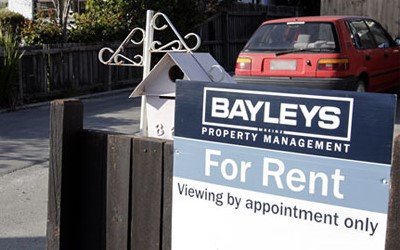
For RentOften, as I’m walking or running along the streets, I will notice rental properties. Not because they have a sign on them saying they are rental, but because of the way that the lawns are kept and the gardens are over grown. The residents just seem to park their cars wherever they might like, be it, on the driveway or on the grass.

Sometimes rental properties seem to be treated differently than properties that are owned by people. An owner seems to take more care and responsibility for their property, if things need fixing they get fixed, whereas a renter generally contacts the landlord to get it fixed. It’s the owner’s problem.

In business, we have a word that has almost become the business version of Renter, it’s the word ‘accountable’. It’s not that being accountable is wrong, just as renting is not wrong. People that are accountable (give an account) for their own actions, but if something needs fixing, or something really needs owning, they will often speak up and they will pass it on to somebody else.

It’s funny I say this because at Agoge accountability is one of our behavioural values, however we also have a tagline that says “See it. Own it. Fix it.” If you see a problem, it’s one thing to be accountable, to see a problem and flag it up to somebody, and then effectively wash your hands of it. Accountability for us requires that you see the problem. And own it. And work with the rest of the team until it gets fixed.

Accountability means, you aren’t just a renter. You are an owner.

There is a difference between how most organisations view accountability and ownership. Just as there is a difference between renting and an owning.

People who take real ownership are invaluable!

Today, will you take ownership for something, or will you merely be accountable for it?

Which will you be, a renter, or an owner?
What’s the story of your life?

TheStoryofMyLifeIt’s funny the things you overhear a snippet of as you walk past someone. Recently I walked past a young boy, 6 or 7 at a guess, and his mum walking along the footpath. As I pass the only part of their conversation that I heard is the boy boldly proclaiming to his mum “That’s the story of my life.” She laughed as it was obviously a phrase he doesn’t use often.

As I walk I mused about how it was a funny thing for a young kid to say. Then I was reminded that far too many adults use the phrase to define who they are.

It’s not often “That’s the story of my life” is used in a positive and successful way. That’s the story of my life, is normally a negative, broad statement implying that this always happens to me. That it’s a lifelong pattern.

Maybe it’s time to change that story. To tell a new story. A story not defined by your past, rather a story a small incremental change. The kind of change that you don’t notice day-to-day, but you do notice when you look back over months or years.

You have the power to change your story today, or you can decided to carry on as we were, then it truly will be “the story of your life”.

What’s the story of your life?

Are past experiences and failures shaping your story?

Why not commit to making a small change today. A small tiny wee step towards changing your story, so that you can replace the words “that’s the story of my life” with these words…

“Let me tell you my story…”

4 ways to succeed after when you feel like you have failed.

Innes 48 hour startupI heard the disappointment in their voices. I saw it in their body language.  Black Gold had taken the prize that they just poured 48 hours of their lives in to winning. They hadn’t won and I completely understand their frustration … I too hate losing.

Last night I had the privilege of crashing the Innes 48 hour start-up challenge run by Soda Inc in Hamilton.  I say it was a privilege because I come away energised and inspired by the start-up community. There were some incredible participants who will go on to disrupt entire industries.

As I reflected on the evening I was reminded that the decision to win is not in the hands of judges. The decision to succeed as individuals, not so much as businesses, broadly requires us to…

1)      Commit: Are you in? Are you prepared to throw everything behind it? Are you prepared to risk? Without making the decision to commit you will struggle to get the traction.

2)      Focus: Stay focused on what is wildly important. Don’t get distracted. Know your customers, know your issues, pivot if necessary, but focus. Don’t lose sight of the end goal.

3)      Start: You can’t finish if you don’t start. Each big project is just a series of small tasks. Constantly ask what is the very next step you need to take? Now take it.

4)      Repeat: Everyday.

I also came away challenged.

What will I do?

Am I prepared to cause huge disruption?

It’s time for me to Commit. Focus. And START.

Maybe it’s time for you to do the same.

Hero’s wanted … YOU can apply here.

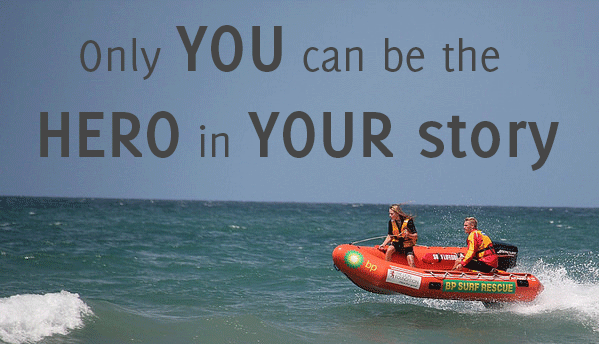
Only You can be the HERO in your lifeNo-one can replace YOU in your life.

No-one else can be their father or mother.

No-one else can love your spouse or partner the way you can.

No-one else has had the struggles and successes you’ve had. That makes you the perfect person to help.

No-one else can come to the rescue quite like you.

Your whole life has led up to this moment…

Only YOU can be the HERO in YOUR story.

Will you choose to be their HERO as well?

Are you dressing for success?

Dress for SuccessYou wouldn’t wear Pajamas to an interview or shorts to a formal dinner. That’s because we know that how we dress impacts how people see us, and we like them to see us at our best.

The truth is, what we wear has more impact on us, than it does on those around us.

What we wear can significantly change our mood and attitude and activity.

What we wear is a powerful trigger for our minds, which help us make things happen.

And, what you wear next will determine how successful you will be.

Know you should go exercise but can’t be bothered; get dress for exercise, put your shoes on, and off you will go.

Need to be creative at work; flag the business clothes and wear smart casual.

Had a hard day at work; get changed into comfortable relaxing clothes as soon as you get home.

I’ve found using clothes to shift my mood or attitude or activity really does make a huge difference.

What you wear will as well…

Is worry a good use of our imagination?

Pause for a moment and think back to when you were young. Do you remember some of the ways you let your imagination run wild.

Most of us as children had powerful imaginations. At night you would see a shadow cast by a tree and think it was a burglar … or ghost … or monster … scary! By day our imagination would run wild and allow us to turn some boxes into an amazing castle where we could defeat any enemy.

As we grow older we don’t imagine less … we imagine differently.

Now we imagine things happening to our kids. Imagine that conversation before it actually happens. Imagine her motives.

From time to time we still let our imagination run wild. We imagine cool, beautiful, amazing things, we allow our imagination to turn towards hopes and dreams, but for the most part our imagination is about scary things.

Worry is not a good use of our imagination.

We all worry … sometimes a lot.

Maybe worrying allows our imagination, which is an incredibly powerful and creative part of our mind, to imagine a negative future that may or may not happen.

We allow this brilliant capacity of being human, of being alive, to capture our darkest thoughts. We know intellectually that we shouldn’t ‘worry about tomorrow, for tomorrow will take care of itself’, and somehow we still allow our imagination to take us captive.

And those dark thoughts can be paralysing.

Imagination used for good can be delightful.

What if we could take all that negative imagination and use it for good.

What if we could get into the space where we can use that powerful, creative, brilliant part of our human minds to just imagine good things.

To think positively.

To dream.Relax Balloon

To create.

To hope again.

What if we could learn to imagine a future that is beautiful.

That is amazing.

That is delightful.

How would using our imagination that way change our outlook on life?

How might it change the way we live?

There are people that I care deeply about that seem to struggle more than most with the dark side of imagination and worry. I wish I had a miracle answer for those of you who are in dark places, or who struggle with depression right now. I don’t sorry.

I know from personal experience how hopeless our imagination can make us feel. In my experience, and I haven’t been as low as you are, I have found a few things help me:

  1. My imagination changes when I am walking and running. Something about fresh air and creation and space seem to slowly declutter my mind.
  2. My imagination changes when I feed it well. When I feed myself healthy food, when I listen to healthy music, and when I stop reading about negative stuff on the news or even on social media.
  3. My imagination changes when I create. When I grab my camera and look for a photo. When I write. When I doodle on a piece of paper while drinking a coffee and pretending to work. Even when I create fun.
  4. My Imagination changes when I allow myself to dream. Stupid crazy stuff. Impossible stuff, just like when I was a kid.

If you imagination is still leading you into dark places, this useless advice of a currently healthy person, so know this…

We care. Please ask for help.

Nip ‘But’ in the butt and replace it with…

BUT - HT amt-group.comI was chatting with a guy recently who was asking to be involved in some work I do. As we discussed what we were doing he didn’t seem to agree with my approach as he used the word ‘BUT’ in every other sentence.

I agree, but…

Yes, but…

That’s good, but…

‘But’ gets used just before you contradict or contrast the previous statement. ‘But’ completely disregards their point of view and even experience.

We need to nip ‘BUT’ in the butt, and replace it with ‘AND’

‘And’ builds, it takes the experiences and knowledge of the other person and adds to it.

‘And’, acknowledges what you are saying is cool and let me contribute more.

‘And’, says I respect you.

When you start noticing how often you say ‘but’ on topics you have strong opinions on, it will blow your mind. Changing any habit is hard and resetting language habits is no exception. When you catch ‘but’ being used, correct yourself, use ‘and’ then see where it leads the conversation.

‘And’ means you will contribute more AND you might even learn something along the way.

When you lend, should you expect nothing in return?

Books - Learning to doI have small simple systems for everything including tracking who I have loaned books to.

A couple of days ago I looked at who was on the ‘naughty list’ of people who haven’t returned my books. Some of these people have great books and they have had them for years. As I looked at the list I mused how often I never get books back, but I left the list unchanged.

This morning I read “But love your enemies, do what is good, and lend, expecting nothing in return”. I realised I should expect “nothing in return” and holding a long-term list of books actually meant each time I reviewed the list; I subconsciously put a negative mark against their name.

I culled the list.

So if you have books of mine … consider them a gift.

Expecting nothing in return is not just about books, or that $10 you lent.

Expecting nothing in return is about being generous and gracious and doing good.

And for us, expecting nothing in return means you free yourself from the mental and emotional energy needed to hold on to something so small.

What are you expecting in return from someone?

Isn’t it time you just let it go.

If you could relive this week, what would you do differently?

This one simple question could radically change your upcoming week.

If you could relive this week, what would you do differently?
Calendar
At work.

Or at home.

Mentally.

Physically.

Spiritually.

Financially.

What would you do differently?

Now note down one, or two, or three things and plan to do them in the week ahead.

I stumbled across a form of this question recently and I have added it to my GTD weekly review. It has helped me see gaps I wouldn’t have otherwise seen, and put things in place to fix next week.

So STOP right now. Today. This moment. Answer the question, decide what to do differently.

Then repeat next week.

Why choosing what to hate is so important

Things I hate pictureYesterday I was writing a note to some staff whose pay we were correcting for the second time. In the note I wrote “We hate getting your pay wrong”. Hate is a strong word, but we really do. We know people rely on us for their weekly income and few things bug me more than to stuff that up. As I wrote the words “we hate” I was reminded that hating the right things can be really important.

Hate is a dangerous and yet powerful word.

It’s outright dangerous to hate yourself. Or hate a person. Or hate good. Hating the wrong things will focus you on the negative and drain the life out of you. To hate something, either good or bad, is the extreme opposite of loving it. What you hate, says a lot about your character.

“I hate …” can be powerful and strong words and here are 3 examples.

“I hate being late”
A person who hates being late is different to a person who “try” to be on time. Because she hates it, you can bet that they will do everything they can to be on time. Her hatred for being late says heaps about the person’s character. And if they are late, you will see that they are gutted.

“I hate injustice”
There are a lot of people in the world, who see injustice and dislike it. A few even dislike it a lot. I have not met many people who hate injustice, because to hate it means they are compelled to do something about it. To hate positively changes a person from apathy to action.

“I hate dishonesty”
At Agoge one of our values is integrity, which means absolute impeccable honesty. If I had to choose between a guy who hates dishonesty and one that tries to be honest, I would choose the guy who hates it. If he hates dishonesty it drives him to be honest and demand honesty. It means he cares about honesty and that is powerful.

What you and I hate says more about us than we realise. It speaks of what we value, what we care about. And choosing the right things to hate, and letting go of the wrong things, will radically change how you live.

I think sometimes we need to make a decision to hate something, not merely dislike it. It’s almost as though we need to build a hatred for it and by doing so that strong hatred will drive the actions.

I would love to be able to say that “I hate injustice” but as I wrote this post, I realise I just dislike it. It’s something I need to work on.

Maybe then I will take more action towards injustice when I see it.

« Older posts Newer posts »